Why Are You Still Sore Days After Training? Understanding DOMS & Muscle Recovery
You finished your workout. You stretched. You drank your water. You even got a good night's sleep.
And yet, two days later, your legs still feel like you've been hit by a truck.
That soreness has a name: Delayed Onset Muscle Soreness, or DOMS.
DOMS is a normal response to unfamiliar or intense exercise. Understanding what is happening inside your muscles can help you build a smarter recovery routine instead of simply pushing through the discomfort.
What Causes DOMS?
When you train, particularly with strength training, sprinting, jumping, or unfamiliar movements, your muscles experience stress.
This is part of how your body adapts and becomes stronger.
The soreness you feel afterwards is associated with the body's response to that exercise stress. DOMS commonly becomes noticeable several hours after training and can feel strongest around one to three days later.
You may experience:
- Muscle tenderness
- Stiffness
- Reduced range of motion
- Temporary weakness
- Difficulty moving comfortably
- General muscle fatigue
The important thing to understand is that recovery is part of training.
Your workout provides the stimulus. Recovery gives your body the opportunity to adapt.
So, Should You Stop Training When You're Sore?
Not necessarily.
Light movement can often be more comfortable than remaining completely inactive. Walking, mobility work, stretching, hydration, adequate nutrition, and quality sleep can all form part of a sensible recovery routine.
The goal isn't to eliminate every sensation of soreness.
The goal is to help your body recover so you can continue training effectively.
Where Does Cupping Fit Into Recovery?
Cupping is a recovery technique that uses controlled suction against the skin.
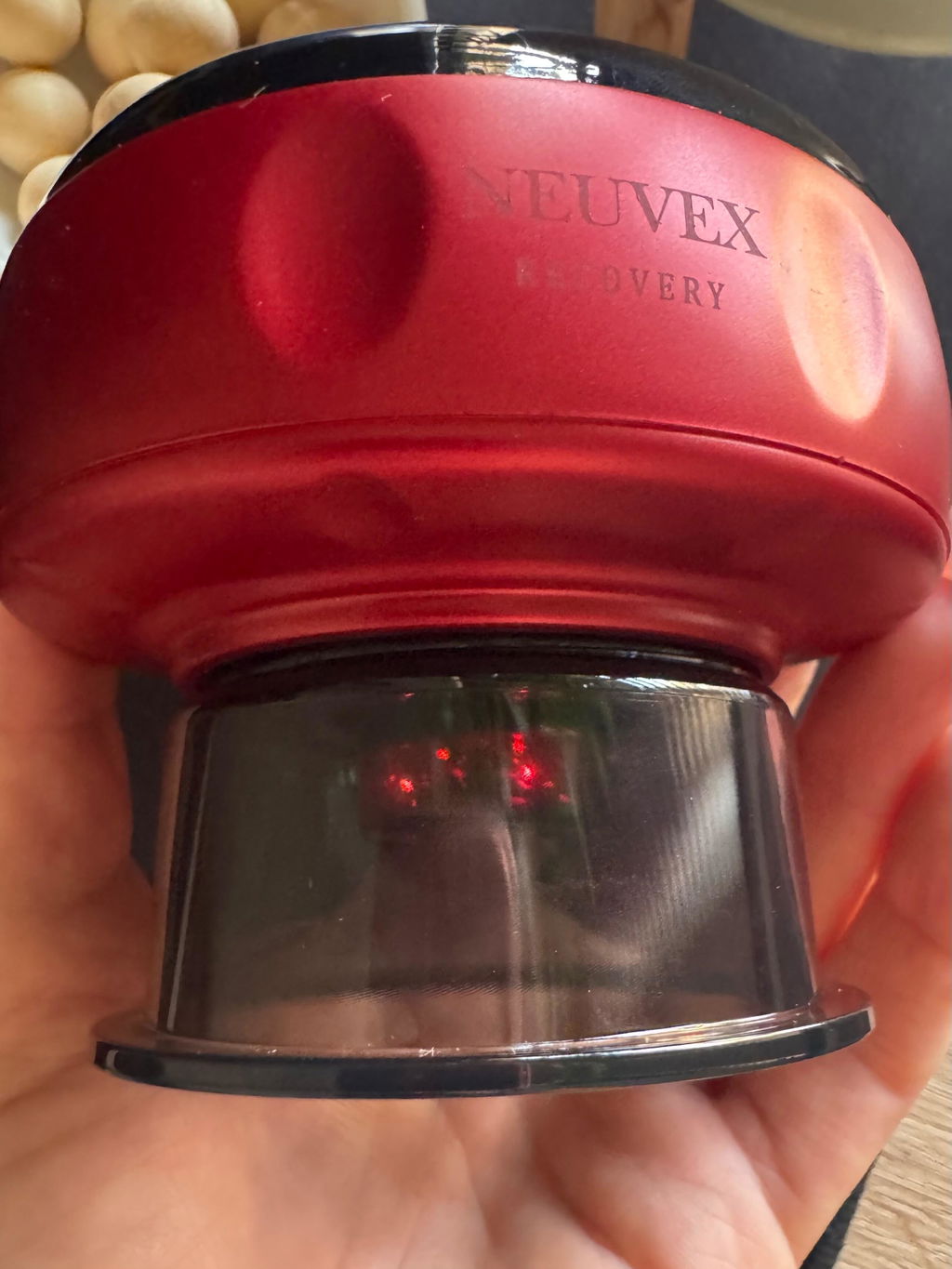
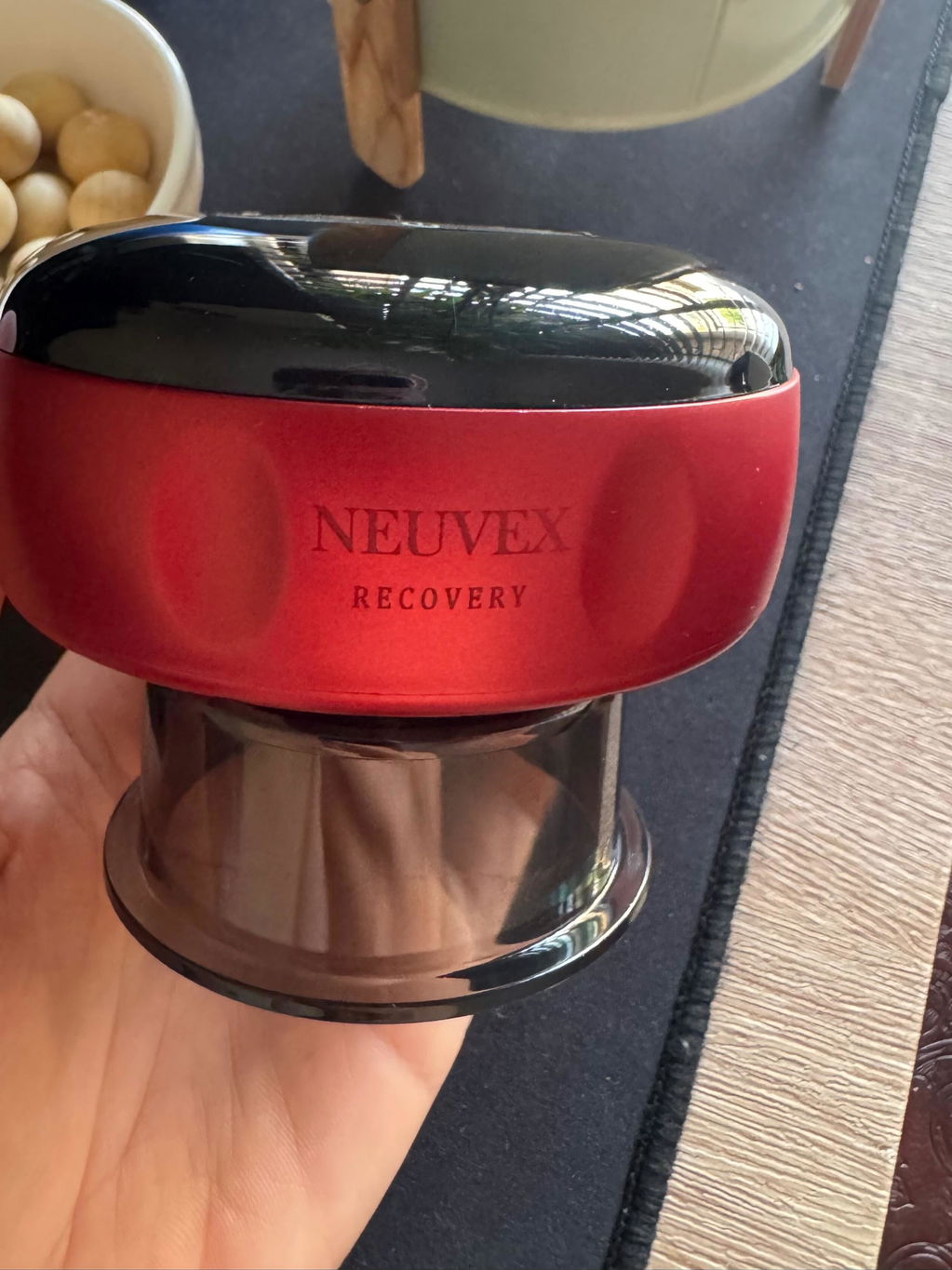
The Neuvex Smart Recovery Cupping Device allows you to adjust the suction intensity to create a more personalised recovery experience.
It can be incorporated into a recovery routine when muscles feel:
- Tight
- Tired
- Stiff
- Overworked
- Sore after training
The sensation of cupping is different from massage. Instead of pressing down into the muscle, suction lifts the skin and underlying tissue.
For many active individuals, this can become a useful part of their post-training routine.
A Simple Post-Workout Recovery Routine
You don't need a complicated recovery protocol.
Try building your routine around the basics:
1. Move
Take a gentle walk or perform light mobility after training.
2. Hydrate
Replace fluids lost during exercise.
3. Refuel
Give your body the nutrients it needs to support recovery.
4. Recover
Use techniques such as cupping when appropriate to help manage the feeling of muscle tightness and soreness.
5. Sleep
Don't underestimate the importance of quality sleep. Your body does much of its repair and adaptation work while you rest.
Recovery Isn't Wasted Time
One of the biggest mistakes active people make is treating recovery as something separate from training.
It isn't.
Recovery is part of your training programme.
The better you recover, the better prepared you are for the next session.
The Neuvex Smart Recovery Cupping Device isn't about replacing the fundamentals. It's about adding another tool to a recovery routine that already includes movement, nutrition, hydration and sleep.
Train hard. Recover intelligently. Repeat.
Your next workout starts with how well you recover from the last one.